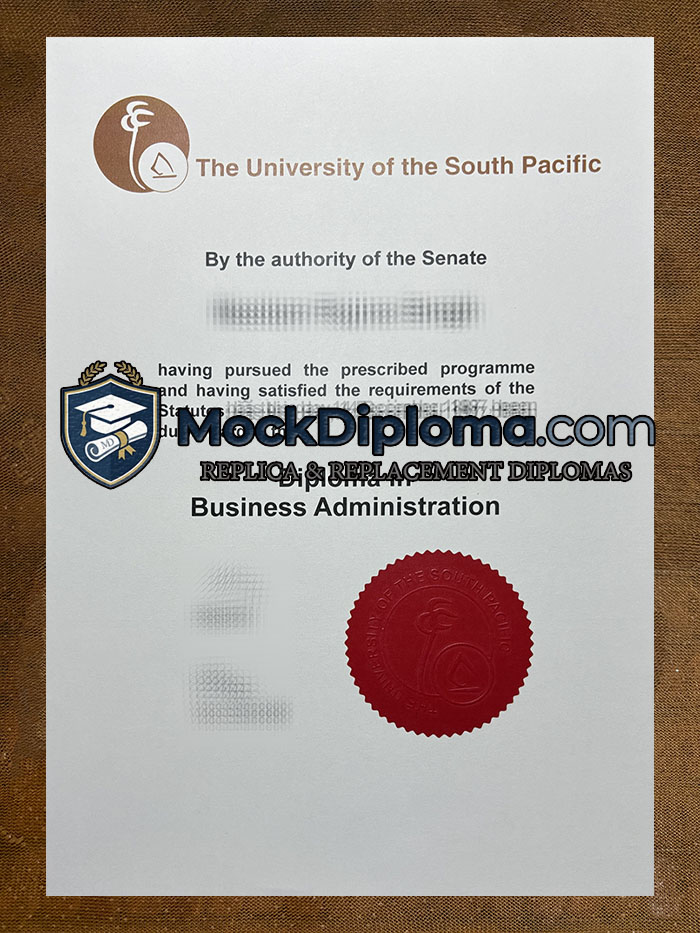
Founded in 1968, the University of the South Pacific (USP) stands as one of the world’s only two regional universities—an intergovernmental organisation jointly owned by the governments of 12 Pacific island countries: the Cook Islands, Fiji, Kiribati, Marshall Islands, Nauru, Niue, Samoa, Solomon Islands, Tokelau, Tonga, Tuvalu, and Vanuatu. University of the South Pacific degree, University of the South Pacific diploma, University of the South Pacific certificate. With close to 30,000 students and a presence spanning a dozen nations across Oceania, USP is the premier institution of higher learning for the Pacific region, uniquely positioned to serve a region of extraordinary physical, social, and economic diversity.
USP’s founding in 1968 came at a pivotal moment in Pacific history. Several Pacific island countries were moving toward independence and needed to train people to assume positions of responsibility. The institution emerged from recommendations made by a Higher Education Mission to the South Pacific in 1966, which proposed establishing a fully autonomous university serving the region. The university opened its doors at the former Royal New Zealand Air Force seaplane base at Laucala Bay in Suva, Fiji, and in 1970 received a Royal Charter from Queen Elizabeth II.
Over five decades, USP has grown from a modest institution offering preliminary courses to a world-class research university. Its history reflects the aspirations of a region seeking autonomy, identity, and development through education. The university’s first graduation ceremony in 1971 saw 49 students receive degrees, diplomas, and certificates. Today, USP boasts nearly 70,000 alumni across the Pacific and beyond.
In response to emerging global trends and regional priorities, USP introduced a suite of new programmes from Semester 1, 2026, focusing on technology, sustainability, climate action, and innovation. Key programme areas include Artificial Intelligence, Climate Change, Environmental Science, and Language Technology. These programmes are designed to prepare graduates for the future of work, address climate resilience challenges, integrate cutting-edge technology, and strengthen regional capacity and leadership. Most new programmes offer flexible study options—face-to-face at the Laucala Campus or blended/online modes for regional and distance students. This flexibility reflects USP’s commitment to making quality education accessible across its far-flung member countries. The Steps to Get a Replica University of the South Pacific diploma online.
USP’s impact is measured not only in rankings but in the lives it transforms. The university has cultivated close to 70,000 alumni who continue to shape the Pacific region. As one graduation address reminded graduates, “We honour you. We believe in you. Your journey is only beginning, and our great Ocean is wide with possibilities”.
With a bold Investment Plan for 2025–2027 reinforcing its commitment to regional collaboration, USP is entering a new phase of transformation driven by innovation, quality, and purpose. The institution aspires to be a world-class university “centred in the Pacific, shaping futures for our islands while contributing meaningfully on the global stage”. In doing so, USP continues to honour its founding mission: serving the peoples of the Pacific through the transformative power of education.